
February Retail Roundup
Operating in a tighter climate
Pressure, proof and sharper pencils
February has come and gone all too fast.
Looking back at the biggest retail stories emerging from the US this month, one word stands out: Pressure.
Belts are tightened. Stakes are raised. The energy feels different. Oh, and not to enduce an anxiety attack but costs are rising. Tariffs are back. Regulators are circling. Job cuts continue. And AI? Still everywhere. Of course it is.
But this month it felt like MORE. More scrutiny. More expectation. More consequence.
Here’s what February showed us.
AI. Less talk. We’ve got numbers now.
We’ve all sat through the panels. The endless webinars. The buzzwords. The stream of AI this and AI that. But finally, February delivered something better.
A number.
Walmart revealed that customers using its Sparky AI assistant spend 35 percent more per order.
At last, we have a lever.
OpenAI is now charging Shopify merchants 4 percent on purchases completed via ChatGPT checkout. AI is supporting commerce and, naturally, taking a cut.
Meanwhile, Amazon is committing tens of billions to AI infrastructure… while trimming thousands of roles. From my developer community, the view is mixed. Some say it’s too early. Some say it’s inevitable. Either way, AI is scaling. Teams are shrinking. The maths is changing.
And with actual performance metrics now emerging, AI feels less like talk talk and more like embedded strategy.
That’s a big shift.
The revenue crown changed hands
In significant news, Amazon surpassed Walmart in annual revenue.
After more than a decade of Walmart topping the Fortune 500, the digital-first player now leads. It feels symbolic. Retail at scale is now built on data centres as much as distribution centres. Tech is leading the charge.
Mmm, it reminds me of when Ocado insisted it wasn’t a retailer, but a tech company. At the time, it felt bold. Now? It feels obvious.
But scale brings exposure.
Government has re-entered the chat
Just as retailers were trying to steady the ship, policy stepped back in.
The Supreme Court struck down sweeping global tariffs. The fallout was immediate. Brands including L’Oréal and Dyson joined lawsuits. Footwear names such as Nike and Crocs braced for renewed uncertainty. French exports to the US dropped sharply across premium categories including wine, spirits and cosmetics.
When tariffs move, pricing models wobble. When pricing wobbles, margins tighten.
Meanwhile, California’s Attorney General filed for an injunction against Amazon over alleged price suppression. The DOJ and FTC launched public inquiries into collaboration between competitors, signalling more scrutiny ahead.
Even Amazon’s reduced US corporate tax bill drew attention as domestic profits rose.
This isn’t background noise anymore. Retail strategy now sits at the intersection of commerce and compliance. Supply chains, pricing, capital allocation and investor messaging are all being shaped by policy decisions that can change in a week.
Retail leaders aren’t just watching the consumer, they’re watching Washington!
Consumers are still spending. Just less romantically.
Valentine’s Day spending hit record levels. And of course, chocolate prices were up 14 percent. BUT, while the headline number looked romantic, the basket told a different story. More shoppers leaned into practical gifts; home items, appliances, even car accessories, rather than traditional indulgences.
And they say romance is dead!
Value retailers continue expanding into more affluent neighbourhoods. Dollar is no longer a signal of distress but rather pragmatism with cautious confidence.
Luxury isn’t immune. Canada Goose saw shares drop after missing expectations. Saks continues to restructure. Off-price luxury is narrowing its focus.
There’s money in the system.
It’s just being spent more deliberately.
Retail is trimming and investing at the same time
Restructures rolled through Lowe’s, Home Depot, Peloton and Walgreens.
At the same time, 5,500 new US stores are expected to open in 2026.
Both things are true.
Once-hyped DTC brands like Allbirds are closing physical stores. Meanwhile, off-price players are signing prime Manhattan leases.
Expansion right now isn’t a steady bet. It requires conviction. Nerves of steel. A clear thesis.
Optimism alone won’t cut it.
Culture still moves product. Fast.
The Super Bowl reminded us that retail’s biggest stage is cultural, not commercial.
Bad Bunny stepped out in Zara as the 2026 headliner announcement dropped. Within hours, resale platforms were flooded with similar pieces and staff tees appeared online for thousands. Culture converts.
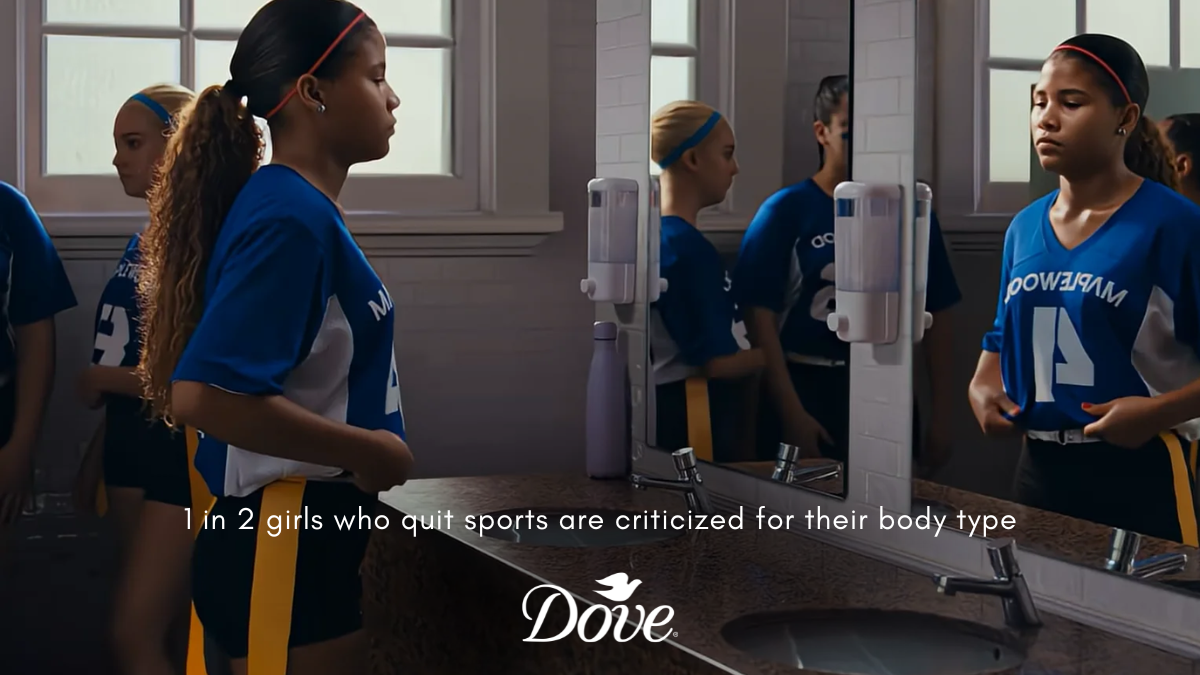
Dove leaned into purpose. Its Super Bowl spot championed body confidence for young girls in sport, tackling the dropout rate linked to body image concerns. It wasn’t product-heavy but more about values with a eye on long-term brand building over short-term conversion.
Pokémon went in the opposite direction. It marked its 30th anniversary with celebrity-driven nostalgia, tapping straight into millennial memory banks and Gen Z fandom. Familiar characters. Recognisable music. Instant emotional recall.
Two very different strategies; one rooted in cultural responsibility and the other in cultural memory. Both understood the same thing; visibility still drives velocity.
But attention is only the spark. Trust is what keeps the engine running. Let's talk about Lululemon who faced not one but two complaints about see-through leggings in the same month. For a brand built on performance and premium positioning, that’s not a small oversight. They attempted to move past it quickly, but in this climate, consumers notice.
So what was February, really?
AI is part of the operating model now.
Government pressure is shaping strategy in real time.
Consumers are pragmatic.
Retailers are pulling belts in while doubling down on automation.
If anything, February was about discipline. Things feel sharper, and honestly? That isn’t a bad thing.
When the pencil is sharp, the thinking usually is too.